

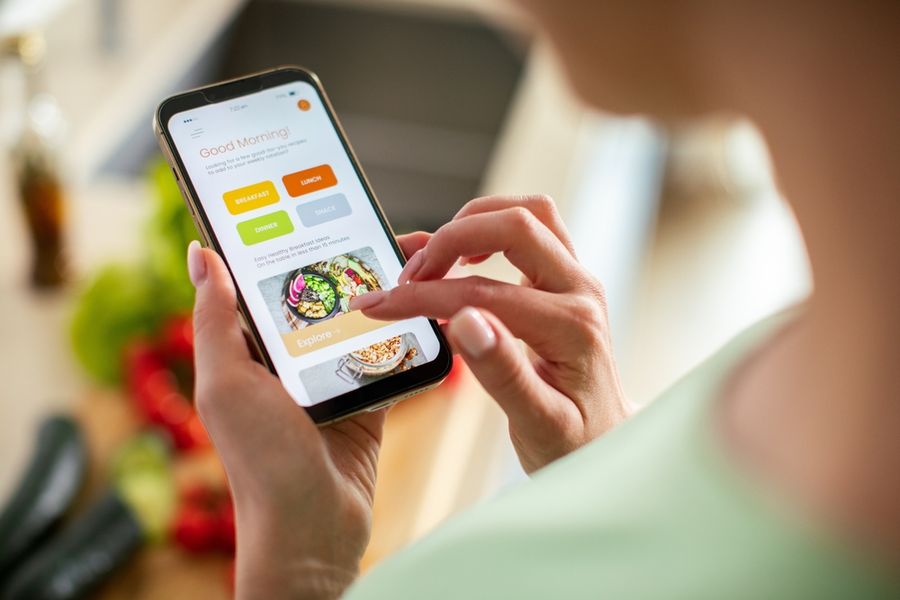
Leftovers become much easier to use when they are treated as ingredients for another meal rather than containers to deal with later. Several meal-planning apps now help users start with food already in the refrigerator, freezer, or pantry, then build recipes and future meals around it. The most useful options do more than store recipes: they connect existing ingredients to meal ideas, schedules, and grocery lists so tomorrow’s dinner can begin with what is already available.
Mealime Builds Plans Around Ingredients on Hand
Mealime can search for recipes containing specific ingredients, making it useful when vegetables, herbs, proteins, or pantry staples need to be used before another grocery trip. Its recommended meal-plan feature also includes a “Use what’s in your pantry” option that lets users select ingredients they already have and incorporate them into the plan.
The same system can help create intentional leftovers rather than simply reacting to them. Recipe portions can be increased when extra servings are wanted for another meal, and selected recipes can be assigned to particular days through the scheduling feature. Once the plan is complete, the app generates a categorized grocery list based on the recipes and serving sizes chosen.
That makes Mealime particularly useful for someone who wants to look ahead. A half-used bunch of cilantro or vegetables left from another recipe can influence the next meal before those ingredients become forgotten refrigerator clutter.
Cooklist Connects the Pantry to Dinner Ideas
Cooklist creates a digital pantry and uses its contents to show recipes that can be prepared with food already in the home. Items can be added with a barcode scanner or imported through connected grocery-store loyalty cards, while expiration reminders help identify foods that may need attention soon.
Its meal-planning and grocery features work from the same pantry information. After meals are selected, the shopping list adds ingredients that are missing rather than automatically treating every recipe ingredient as a new purchase. This can make it easier to plan around a package of chicken, vegetables, cheese, or other items already waiting to be used.
Cooklist is therefore a strong fit for households that want ingredient tracking to drive meal decisions. Instead of deciding on dinner first and checking the kitchen afterward, users can begin with the food they already own.
SideChef My Pantry Searches Existing Ingredients
SideChef’s My Pantry feature lets users enter ingredients already at home and produces recipe ideas based on those items. Ingredients can be added manually through categories or search, and the recipe suggestions update as the pantry changes. The feature can also suggest meals that require only a few additional ingredients.
Those recipe ideas can feed into a broader meal-planning workflow. Recipes can be saved for later, while missing ingredients can be added to a grocery list. SideChef also offers weekly meal planning that can be personalized around preferences, dietary needs, and ingredients.
This approach is useful when the “leftovers” are not necessarily completed meals. Extra spinach, half a package of mushrooms, an opened container of yogurt, or unused produce can become starting points for a different recipe rather than ingredients that must be eaten in their original form.
Samsung Food Prioritizes Ingredients You Already Have
Samsung Food can search for recipes based on ingredients already recorded in its Food List. When that filter is applied, recipes using the greatest number of available ingredients appear first, and recipes containing items that are close to expiring receive additional priority. Users can also select individual ingredients manually when they want ideas for particular leftovers or refrigerator odds and ends.
That makes the app useful when leftover ingredients need a specific destination in a future meal. Cooked chicken can be repurposed into sandwiches, salads, or soups, while leftover vegetables can become a frittata or omelet and extra rice can be turned into fried rice. Meals can also be planned ahead within the app, helping those ingredients become part of another dinner instead of remaining forgotten in the refrigerator.
Plan Leftovers Before They Reach the Refrigerator
An app can identify recipes, but the household still needs to decide what kind of leftover is being managed. Extra portions of a completed dish are different from unused ingredients. A pot of chili may simply need another scheduled meal, while leftover vegetables may work better as ingredients in something entirely different.
Label containers clearly and consider what should be eaten first when planning the week. Meals using highly perishable ingredients can be scheduled earlier, while frozen portions can wait. Mealime specifically recommends scheduling meals that use fresh ingredients already on hand toward the beginning of the week.
It can also help to create leftovers deliberately. Increasing a recipe from four servings to six can provide planned lunches or another dinner without requiring a separate cooking session. The important distinction is that those extra portions already have a destination.
Make Existing Food the Starting Point
Mealime is especially useful for turning selected pantry ingredients into a scheduled plan. Cooklist goes further into inventory management by connecting pantry contents, expiration information, recipes, and shopping. SideChef provides a straightforward ingredient-to-recipe system, while Samsung Food is the most direct option for searching with specific leftovers.
The best app depends on where food waste usually begins in the household. If ingredients disappear into the refrigerator, pantry tracking may help. If cooked food accumulates after dinner, an ingredient-based leftover search can be more useful. Either way, planning the next meal around what already exists can turn leftovers from an afterthought into the beginning of dinner.